

Aging Isn’t a Character Flaw
Three teachings on growing old and the wisdom of facing it head on

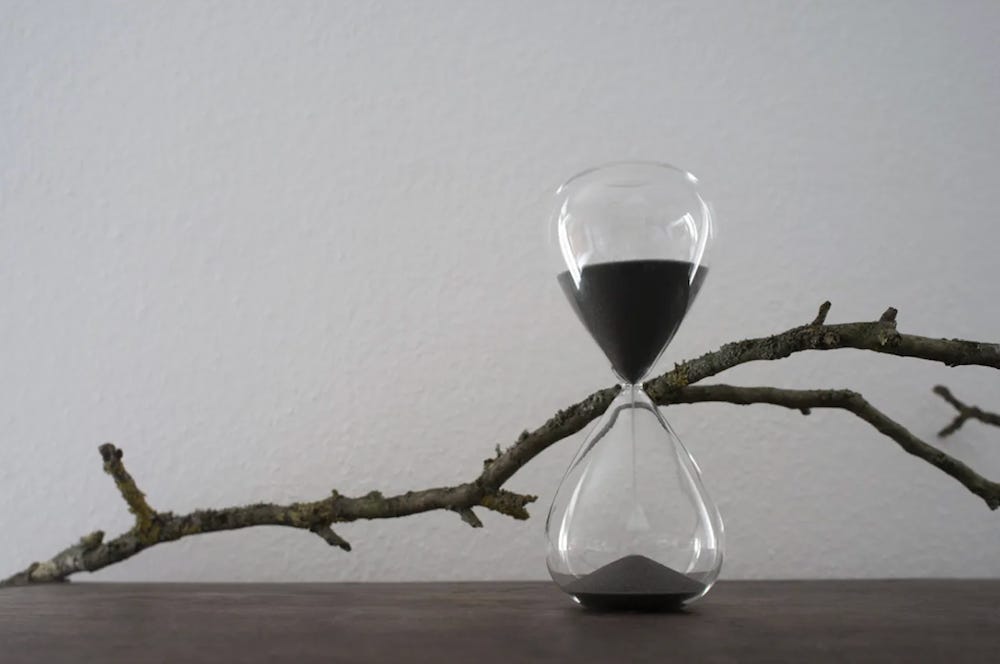
“I am of the nature to grow old,” begins the five remembrances, a set of verses found in the Upajjhatthana Sutta (Subjects for Contemplation) that are meant to be recited regularly to remind us of the truth of impermanence: that everything is always changing and our time is short and precious. “I am of the nature to grow ill. I am of the nature to die,” the remembrances continue. Other Buddhist practices for contemplating or facing mortality include charnel ground visualization and mindfulness of death. All of these practices help us appreciate the limited time we do have, and encourage us to stop resisting the inevitable.
This may sound pretty morbid, but the point is just the opposite.
“It’s funny,” Buddhist priest Lewis Richmond, teacher of the Tricycle Online Course Aging as a Spiritual Practice, says. “The point of stressing the reality of aging, illness, and mortality is not to make people depressed. It’s a way to remind people of the nature of reality: everything ages and eventually passes away.”
Whether you’re caring for an elderly family member, noticing physical signs of decline in yourself, fending off relentless messaging that growing old should be avoided at all costs, or all of the above, this week’s Three Teachings shows that connecting with aging can be beautiful, empowering, and freeing.
Aging Is Reality
By Lewis Richmond
Buddhist priest and meditation teacher Lewis Richmond, a transmitted disciple of Shunryu Suzuki Roshi, writes that facing mortality is a core Buddhist practice because it gets at the Buddha’s teaching of impermanence. “Confronting your aging, the possibility of sickness, and the inevitability of death, makes you a natural Buddhist. There’s wisdom to be had in delving into all aspects of your aging being.”
Buddha Was Asleep in Our Home
By Paula Arai
In a compilation detailing how Buddhist women have applied the dharma to daily life, professor Paula Arai writes about Saya, an aging practitioner who finds solace in nature’s cycles of birth and death. Caring for seedlings as well as her declining mother, Saya says, “Being in touch with the circle of life was my liberation.”
Taken Away and Given
By Douglas Penick
Detailing different encounters with old age, including his own and that of Siddhartha Gautama before he became the Buddha, writer Douglas Penick asks, “What does old age give?”
What does aging or confronting old age give you? Tell us in the comments or the chat!
Coming up with Tricycle:
Join Shin Buddhist priest Mark Unno for an hour of guided meditation and discussion over Zoom at 11 a.m. ET on Monday, August 10 as part of Tricycle’s Meditation Group. Sign up here.
Join author and meditation teacher Sharon Salzberg in a workshop on deepening faith over Zoom at 1 p.m. ET on Wednesday, August 12. Sign up here.
Join translator and Buddhist teacher Ken McLeod to hear about his new book, a practitioner’s translation of the Diamond Sutra, over Zoom at 1 p.m. ET on Tuesday, August 25. Sign up here.
Join Tricycle and Buddhist teacher and author Kim Allen on a Buddhist pilgrimage to Sri Lanka from February 27 to March 13, 2027. Learn more here.
Become a paid subscriber to access everything on Tricycle’s website and Daily Dharma app, including 35+ years of teachings, over 500 Dharma Talks, weekly meditations and monthly talks with leading Buddhist teachers and scholars.
Aging has surely given me the view
that emotions are “visitors”. I have the sense that my time here is too short to allow them to take up residence and stay a long while. Even feelings of excitement and joy are fleeting, so why wouldn’t disappointment and sadness also be fleeting? I have a bird’s eye view of my own feelings and an easier time recognizing that everyone is experiencing these things now or at other times.
Impermanence, aging, death are subjects not often discussed in Western society. Avoided even. But how liberating these subjects can be when embraced!